NDIS Short-Term Accommodation Respite (STA)

Short-term accommodation (STA), often called respite, gives you a chance to stay somewhere away from home while still getting the disability support you need. NDIS short-term accommodation providers make sure that support continues during your stay. A stay can also give the family members or carers who usually support you a break.

The NDIA will generally fund up to 28 days of STA each year, with stays of up to 14 days at a time. This funding comes from your flexible Core Supports budget. Before you book anything, check your plan or have a quick chat with your NDIS contact so you know what you can use.

Looking at an older plan or invoice? You might see “short term accommodation and assistance” or “short term respite” (STR). Don’t worry, they’re earlier names for the same support.

On this page, we’ll explain what STA covers, who may be eligible, how billing changed on 1 July 2026 and where to look for providers with availability.

What Is NDIS Short-Term Accommodation?

Short-term accommodation sits within Core Supports. It can pay for a place to stay and the support you would normally receive at home. The key point is that you need to spend at least one night away from your usual home for the stay to count as STA.

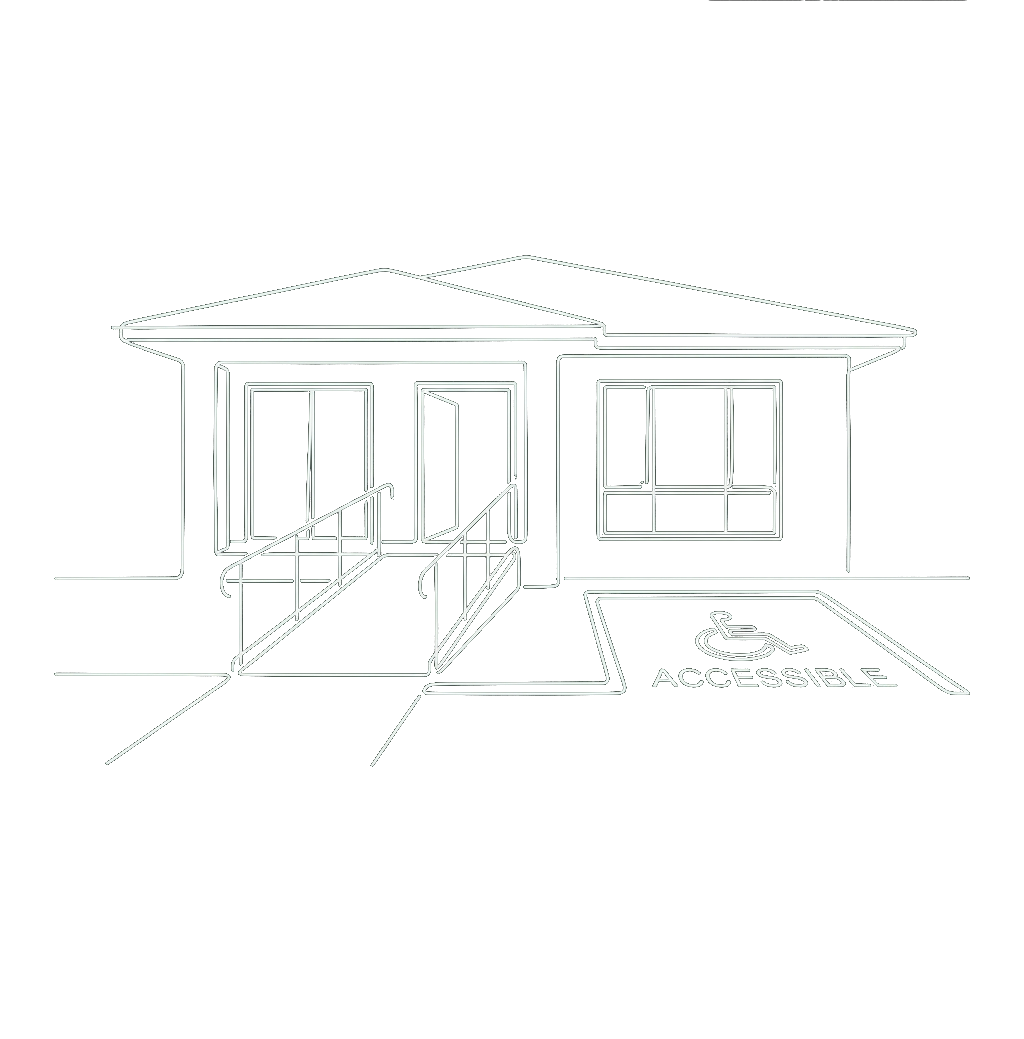
There’s no single type of disability short-term accommodation. The NDIA funds standard accommodation, which means somewhere clean, comfortable and set up with the essentials you need, like a bed, bathroom and suitable accessibility features, for example. Depending on what works for you, that might be a respite house, hotel, motel, short-stay rental, cabin, cottage, hostel or shared accommodation.

NDIS respite accommodation may include:

  • Standard accommodation, without any extras

  • Help with everyday activities such as getting ready, cooking, eating and household chores

  • A homestay, where you stay in someone’s private home and receive support from the person who lives there

  • Support in your own home, where the accommodation itself is not funded

  • Accommodation for a support worker, if they need to stay on site to provide your usual level of support

There is one important exception: the NDIA won’t fund a homestay provided by friends or family because it treats that as informal support. It also generally expects you to stay in your home state or territory, unless you live remotely or near a state border.

Who Can Get NDIS Short-Term Accommodation?

To work out whether STA can be funded, the NDIA looks at two main things. You need to meet both parts of the test, and the criteria can be tighter than people expect.

First, you must either live with the people who provide your main informal support or have them visit every day. Between them, they must be providing more than 6 hours of disability-related support a day on an ongoing basis.

On top of that, at least one of these situations must apply:

  • You receive high intensity supports, such as complex bowel care, enteral feeding, severe dysphagia management, tracheostomy management, urinary catheter management or ventilator management

  • You need intensive or complex positive behaviour support, or specialist behavioural intervention support

  • You live somewhere that has limited access to alternative in-home supports

  • Your primary informal supports are ageing or unwell, which may affect their ability to keep providing care

  • Your primary informal supports also care for others, such as young children or family members with disability support needs

STA also isn’t the right fit in every situation. The NDIA generally won’t fund it if you live independently without daily drop-in support, receive more than 18 hours of paid support at home each day, already have a supported independent living arrangement, have individualised living options funding, or are waiting for home modifications. If you’re waiting for modifications or a new build, medium-term accommodation will usually be the better option.

How Does Short-Term Accommodation Work for Children?

For children, the NDIA only funds STA in exceptional circumstances. It also won’t pay for care that parents or families would ordinarily be expected to provide. Even so, these rules affect many families, as around half of NDIS participants are under 18.

To be eligible, a child must live with you as their primary carer and need more than 6 hours of active disability-related support a day. The NDIA must also be satisfied that other supports have already been considered or funded.

At least one of the following must also be true:

  • Another person in your household has a major disability or developmental delay

  • You have serious health concerns, are ageing or may not be able to continue in your caring role

  • There are identified risks involved in providing supports at home

  • Your child may be at risk of entering an out-of-home care arrangement

  • You live in a rural or remote area where other in-home supports are hard to access

STA isn’t a substitute for babysitting, nannying or mainstream options such as school camps. If a child may no longer be able to stay in the family home, the NDIA can fund more than 28 days, although it generally caps this at 60 days a year.

Providers working with children must follow the laws in their state or territory, including any Working with Children or Working with Vulnerable People check requirements. Ask the provider directly which checks their workers hold.

What Does a Short-Term Accommodation Stay Look Like?

How you use the funding is up to you, provided you stay within your plan limits. You could book one stay of up to 14 days or spread the days across several shorter breaks—perhaps a weekend each month. Many families find that regular short breaks work better than one long stay.

While you’re away, you should receive much the same support you get at home. That way, you can keep up your usual routines and activities. If you normally share support during the day but have one-to-one help at home, for example, your STA arrangement should be set up in a similar way.

Need high intensity support during your stay? The workers providing it must have the right training. You can ask your usual provider to deliver that support or talk through the options with your NDIS contact.

How Is NDIS STA Accommodation Funded?

STA is usually paid for from the flexible funding in your Core budget. You may not see it listed separately in your plan, but you may still be able to use your flexible Core funding for a stay.

In most cases, the NDIA funds up to 28 days a year, with no single stay lasting more than 14 days. It may approve extra days in exceptional circumstances, but it will also consider whether another home and living support would suit you better.

Billing changed on 1 July 2026. Providers now claim support worker time and accommodation separately, rather than rolling both into one rate. So, your invoice may look different even if the support you receive hasn’t changed.

Before you agree to a booking, take these two simple steps:

  • Ask the provider for a written quote that lists the support hours and accommodation day rate separately

  • Make sure your service agreement is up to date. Providers must discuss proposed changes with you and get your agreement before applying new rates

Current price limits are set out in the NDIS Pricing Schedule on the NDIA website.

What Can’t Short-Term Accommodation Funding Be Used For?

It’s also worth knowing what STA won’t pay for before you book. A quick check now can save you from an unexpected bill later.

Short-term accommodation funding does not cover:

  • Holidays or tourist travel, including cruises, holiday packages, holiday accommodation and airfares

  • Meals and groceries, because these are everyday living costs for all Australians

  • The cost of activities, such as tickets, entry fees, equipment or memberships

  • Accommodation or travel costs for family members who provide informal support

  • Transport to your accommodation if you can travel independently or use public transport

Here’s the easiest way to think about it: the NDIS may pay for the support you need to join an activity, but not the ticket, entry fee or equipment. If your plan already pays for help with meal preparation because of your disability, you can keep using that support during your stay. You may also be able to use separate transport funding in your plan to get there.

How Care Decisions Helps You Find NDIS Short-Term Accommodation Providers

Respite houses and other short-term accommodation for disability support often fill quickly, and what’s available can change from week to week. Care Decisions is a free, independent and provider-neutral service that can help you find local NDIS STA providers with places available now.

You’ll speak with one of our NDIS specialists about the support you need, your preferred dates and location, and how your plan is managed. We’ll use that information to prepare an Options Report with up to 5 matched providers in each support category, usually within about 20 minutes.

  • It won’t cost you anything at any stage—providers pay us, not participants

  • We only suggest providers that currently have availability

  • You can receive up to 5 matched options for each support category

  • There’s no obligation to choose any of the providers we suggest

We don’t replace your support coordinator, and we’re not part of the NDIA. Decisions about your plan and funding still sit with you and the NDIA. Your support coordinator or local area coordinator can also help you find STA providers without charging your plan.

This page is general information about NDIS supports and funding. It is not advice about your plan. NDIS rules, terminology and pricing change. For decisions about your funding, check ourguidelines.ndis.gov.au or talk to your NDIS contact.

How It Works

Finding the right NDIS provider shouldn’t be overwhelming. We make it easier by connecting you with dependable, available support services that meet your needs. Our FREE service takes the hassle out of the search. Here’s how it works.
Step 1

Let’s Get Started

Share your support needs, goals, location, and preferences with your dedicated NDIS matching specialist. We’ll help you find the right providers to suit your unique situation.
Step 2

Get a Tailored Provider Options Report

Our team of trained local NDIS support specialists create a personalised report, showing only NDIS providers who are available and matched to your specific requirements, location, and the type of support you’re looking for.
Step 3

Let Us Help You Make the Most of Your NDIS Plan

Once we have sent a list of options, providers will then be in touch. We’ll also help you understand how the NDIS works, how to get the most value from your allocated budget, and how to maximise the care and support available to you. We can also assist you in comparing provider pricing and service options.

Common Questions About Short-Term Accommodation (STA) Support

Do I need an NDIS registered short-term accommodation provider?

That depends on how your plan is managed. If your funding is NDIA-managed, you’ll need to use a registered provider. If it’s self-managed or plan-managed, you can usually choose either a registered or unregistered provider. Any provider delivering intensive or complex behaviour support must be registered with the NDIS Quality and Safeguards Commission.

No. The NDIA won’t pay for holidays, cruises, holiday accommodation or airfares. Your stay can still be enjoyable, but its purpose needs to be related to your disability support.

Yes. The NDIA can fund support in your own home or through a homestay in someone else’s private home. In either case, the funding covers the support rather than the accommodation.

Short-term accommodation is for a planned break of up to 14 days at a time and covers both accommodation and support. Medium-term accommodation is for stays of up to 90 days while you wait for a confirmed long-term home, and it covers accommodation only.

Start by asking your support coordinator or local area coordinator, as they can help without using your plan funding. Care Decisions can also find short-term accommodation providers in your area that currently have availability, at no cost to you.

This page is general information about NDIS supports and funding. It is not advice about your plan. NDIS rules, terminology and pricing change. For decisions about your funding, check ourguidelines.ndis.gov.au or talk to your NDIS contact.