
NDIS Specialist Disability Accommodation (SDA) Supports Explained – Everything You Need to Know

Specialist Disability Accommodation (SDA) is purpose-built housing funded by the NDIS for people with extreme functional impairment or very high support needs. It is accommodation that has been specifically designed and enrolled under strict NDIS standards to make it possible for support workers to deliver your care safely and effectively.

SDA is often misunderstood. It is not funding for your support workers—that is a separate support called Supported Independent Living (SIL). SDA pays for the home itself: the building, the specialist design features and the infrastructure that makes safe support delivery possible.

This page explains what SDA is intended to help with, what it looks like in everyday life and how the funding usually works.

What is SDA Support Under the NDIS?

SDA sits within the Capital Supports budget of your NDIS plan and is specifically designed to fund purpose-built or significantly modified housing for participants with the most complex needs.

In practical terms, SDA funding is paid by the NDIS directly to the SDA provider (the landlord or housing organisation) to cover the cost of building and maintaining specialist housing. You live there as a tenant, with full rights under state and territory tenancy laws.

The four SDA design categories are:

  • Improved Liveability: For people with sensory, intellectual or cognitive impairment who need better physical access and enhanced sensory features.
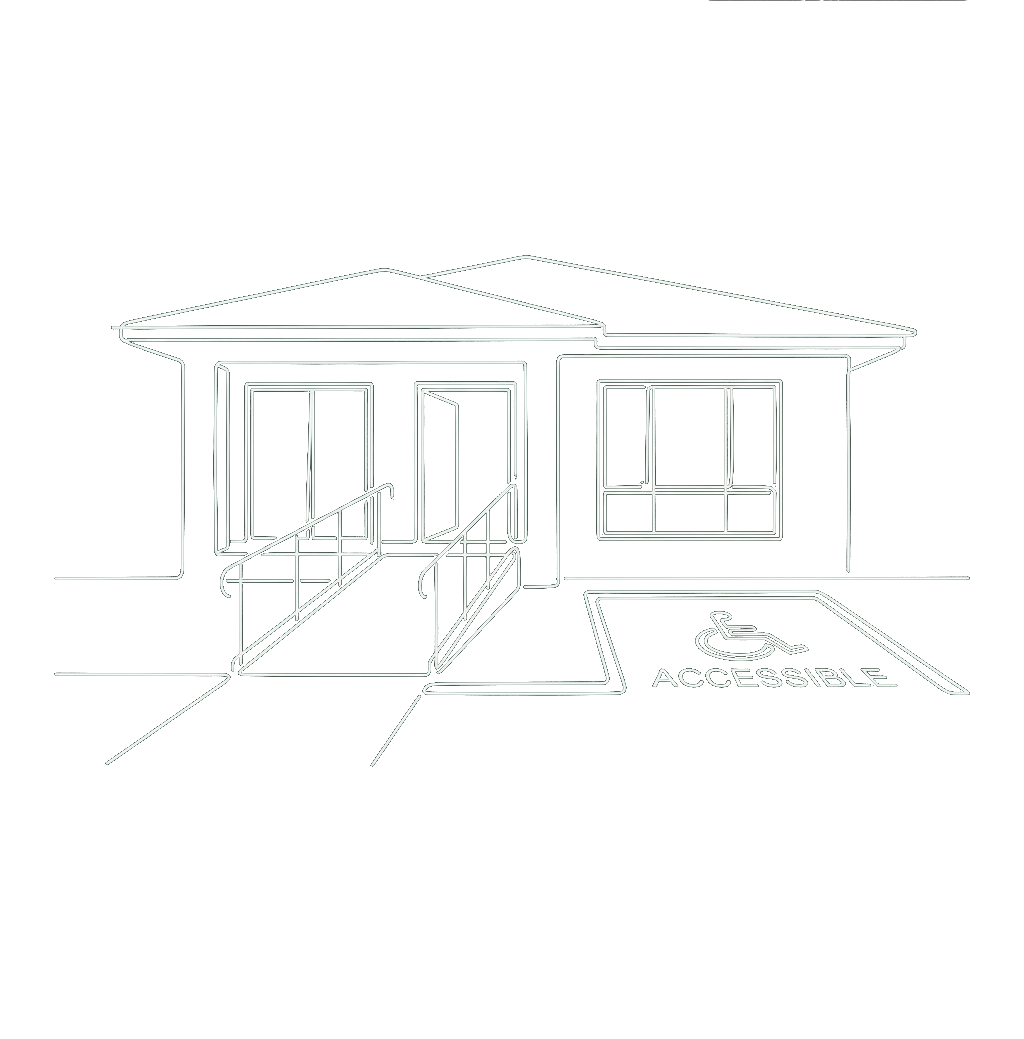
  • Fully Accessible: For people with significant physical impairment who need full wheelchair access throughout the home, including the bathroom and kitchen.
  • Robust: For people who may present behaviours of concern and need a home that is structurally strong, secure and easy to maintain safely.
  • High Physical Support (HPS): For people with the most complex physical needs, requiring features like ceiling hoists, emergency power systems and integrated assistive technology.

In your NDIS plan and the myplace portal, this appears under the Capital Supports budget as the support category Specialist Disability Accommodation (Category 06).

How It Works

Finding the right NDIS provider shouldn’t be overwhelming. We make it easier by connecting you with dependable, available support services that meet your needs. Our FREE service takes the hassle out of the search. Here’s how it works.
Step 1

Let’s Get Started

Share your support needs, goals, location, and preferences with your dedicated NDIS matching specialist. We’ll help you find the right providers to suit your unique situation.
Step 2

Get a Tailored Provider Options Report

Our team of trained local NDIS support specialists create a personalised report, showing only NDIS providers who are available and matched to your specific requirements, location, and the type of support you’re looking for.
Step 3

Let Us Help You Make the Most of Your NDIS Plan

Once we have sent a list of options, providers will then be in touch. We’ll also help you understand how the NDIS works, how to get the most value from your allocated budget, and how to maximise the care and support available to you. We can also assist you in comparing provider pricing and service options.

Who Benefits from SDA Supports?

SDA is for a relatively small group of NDIS participants. It supports those with extreme functional impairment who cannot live safely in standard housing, even with support. The NDIA estimates around 6% of all NDIS participants are eligible for SDA.

You may be eligible for this support if you:

  • Have extreme functional impairment (e.g., a high-level spinal cord injury or severe neurological condition) that requires highly specialised housing features.
  • Require very high levels of support, and your current home makes it dangerous or impossible for support workers to deliver that care safely.
  • Are a younger person currently living in residential aged care and need to move into age-appropriate disability housing.
  • Have complex behaviours of concern that mean you need a structurally robust, safe environment (Robust design category).

SDA is not for people who need general accessible housing or minor modifications. Those needs are addressed through Home Modifications or standard accessible social housing.

What SDA Can Help With

SDA provides the physical environment that makes your life at home safer and more independent. The focus is on the building itself, specifically the features that allow your support team to deliver care and allow you to live your life with dignity.

Depending on your design category, SDA can help you with:

  • Moving Freely: Wider doorways, turning circles, no-step access and level flooring throughout the home.
  • Personal Care: Fully accessible bathrooms where a wheelchair can turn and a support worker can assist safely.
  • Technology Integration: Built-in assistive technology infrastructure (like domotics, smart home systems and ceiling hoist rails) for High Physical Support homes.
  • Safety: Robust wall linings, secure doors and windows and safe outdoor areas for people who may put themselves or others at risk.
  • Emergency Backup: Emergency power solutions to keep vital equipment running during a blackout (for HPS homes).

SDA is always used alongside other supports. Most SDA residents also have SIL (Supported Independent Living) funding so there is always a support worker available

Common Questions About Specialist Disability Accommodation Support

What is the difference between SDA and SIL?

SDA pays for the home (the building and its specialist features). SIL pays for your support workers (the people who help you shower, cook and get through each day). Most people who live in SDA also have SIL funding, and the two are funded separately so you can change one without affecting the other.

No. SDA is your home. You are a tenant with full rights. You choose who you live with (if in shared housing), who your support workers are and how you spend your day. It is designed to support independent living, it is not institutional care.​

An Occupational Therapist will assess your functional needs and recommend the design category that best matches your requirements. It is important to get this right, as moving between categories later can be complex.

Yes. Many SDA properties are self-contained apartments designed for one person. Others are shared homes with two to five residents. Your choice of solo or shared accommodation is an important part of the housing search process.

Getting SDA into your plan takes time. You will need a thorough OT assessment and supporting evidence from your treating team, which then needs to be submitted for an NDIS planning meeting or review. Finding a suitable and available SDA property can also take time as supply is still growing in many areas.​

No. Your SDA provider (the landlord) and your support provider (your SIL or daily living provider) are separate. You can live in an SDA property managed by one organisation while your support workers are employed by a completely different one.