
NDIS Assistive Technology Supports Explained – Everything You Need to Know

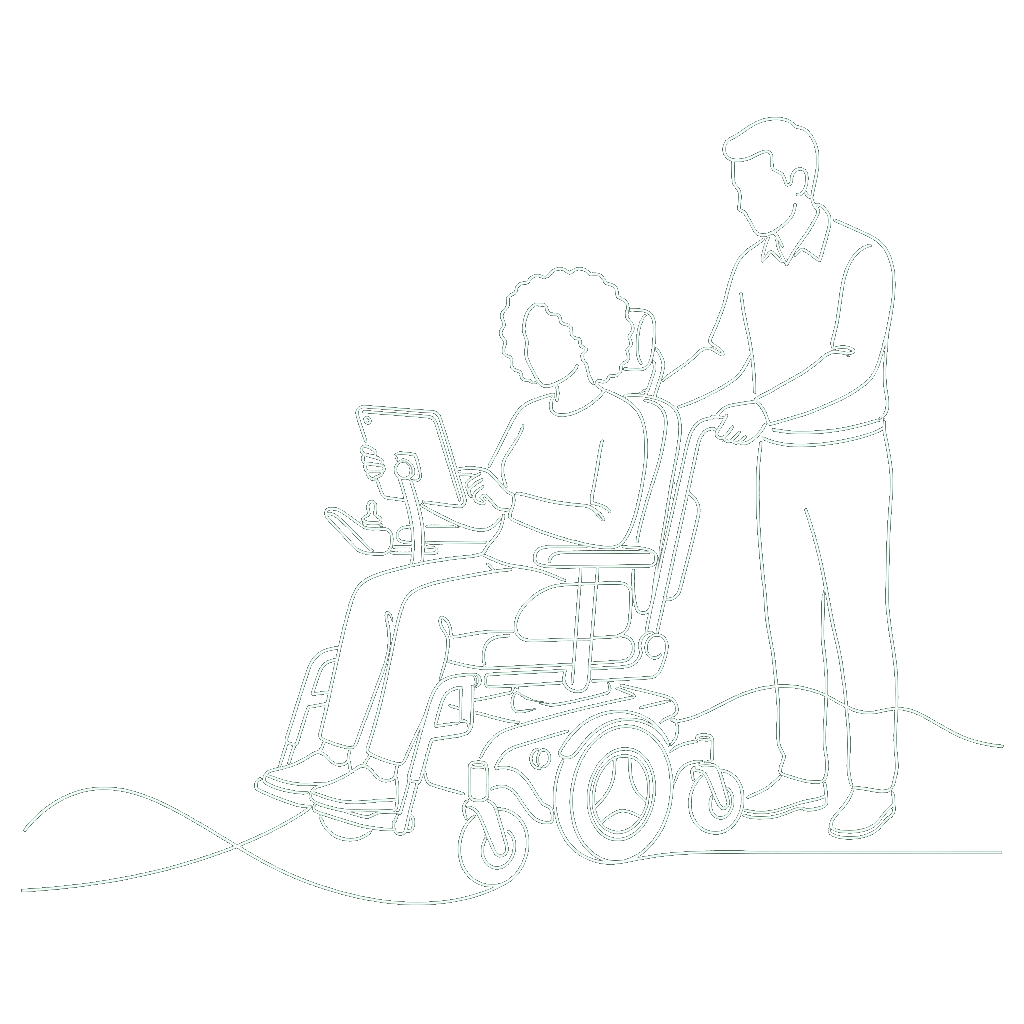
Assistive Technology (AT) is a category of Capital Support [link] designed to help you live more independently, safely and easily. Unlike consumables (which you use up), Assistive Technology usually refers to equipment, devices or systems that you keep and use over time.

That usually means paying for items that let you do things you otherwise couldn’t do because of your disability, like moving around your community, communicating with friends or simply making a cup of tea safely. It ranges from simple low-cost tools to highly complex, custom-built equipment.

This page explains what Assistive Technology is intended to help with, what it looks like in everyday life and how the funding usually works.

What is Assistive Technology Support Under the NDIS?

Assistive Technology sits within your Capital Supports budget and is intended to fund the physical aids and equipment you need to manage your disability.

In practical terms, these funds are used for physical items like equipment and devices as well as products like software. It is different from Consumables [link] (which are low-cost, off-the-shelf items under $1,500 that you use up, like pads) and Home Modifications [link] (changes to the building itself, like a ramp). However, the line between Consumables and Low Cost AT can sometimes blur.

Common examples of Assistive Technology supports include:

  • Mobility Equipment: Wheelchairs, scooters, walkers and hoists to help you move safely.
  • Communication Devices: Speech-generating devices, eye-gaze technology or specialised apps on an iPad to help you talk.
  • Daily Living Aids: Shower chairs, over-toilet frames, electronic jar openers or specialised cutlery.
  • Prosthetics and Orthotics: Artificial limbs or custom splints to support your physical function.

In your NDIS plan and the myplace portal, this appears under the Capital Support budget as the support category Assistive Technology (Category 05)

How It Works

Finding the right NDIS provider shouldn’t be overwhelming. We make it easier by connecting you with dependable, available support services that meet your needs. Our FREE service takes the hassle out of the search. Here’s how it works.
Step 1

Let’s Get Started

Share your support needs, goals, location, and preferences with your dedicated NDIS matching specialist. We’ll help you find the right providers to suit your unique situation.
Step 2

Get a Tailored Provider Options Report

Our team of trained local NDIS support specialists create a personalised report, showing only NDIS providers who are available and matched to your specific requirements, location, and the type of support you’re looking for.
Step 3

Let Us Help You Make the Most of Your NDIS Plan

Once we have sent a list of options, providers will then be in touch. We’ll also help you understand how the NDIS works, how to get the most value from your allocated budget, and how to maximise the care and support available to you. We can also assist you in comparing provider pricing and service options.

Who Benefits from Assistive Technology Supports?

This support is for you if you need equipment to do things that other people can do without equipment or to make tasks safer for you and your carers.

This support may be a right for you if you:

  • Have a physical disability that makes walking, standing or holding things difficult.
  • Are non-verbal or have complex communication needs and require a device to speak for you.
  • Are at risk of falls or injury in your home and need safety equipment like rails or a shower chair.
  • Need specialised seating or positioning equipment to prevent pressure sores or pain.
  • Have vision or hearing loss and need technology to access information (like screen readers or vibrating alarms).

Assistive Technology is generally not for standard household items that everyone uses (like a regular fridge or a standard TV). The NDIS only funds the disability-specific component or adaptation.

What Assistive Technology Supports Can Help With Day-to-Day

These supports provide the tools you need to live an ordinary life. The focus is on reducing the impact of your disability on your daily tasks.

Depending on your arrangement, Assistive Technology can help you with:

  • Moving Around: Getting out of bed, moving through your house or travelling to the shops independently.
  • Communicating: Expressing your wants and needs, chatting with friends or using the internet.
  • Personal Care: Showering safely, dressing yourself, or going to the toilet with dignity.
  • Safety: alerting someone if you fall or ensuring you don’t wander into unsafe areas (e.g., GPS trackers for cognitive impairment).
  • Community Access: Portable ramps or vehicle modifications that let you leave your house and visit new places.

The right technology can often reduce your need for human support, for example, a ceiling hoist might mean one support worker can help you transfer instead of two.

Common Questions About Assistive Technology Support

Do I need an assessment for everything?

Not for small things. For Low Cost AT (under $1,500), you generally don’t need an assessment, just evidence that it is safe and helps your disability. For anything over $1,500, you will need written advice or a full assessment from a professional like an Occupational Therapist or Physiotherapist.

Sometimes. The NDIS generally considers iPads standard items that everyone buys. However, if you need it solely for communication (because you are non-verbal) or it is your only way to access disability supports, the NDIS may fund it as Low Cost AT. You usually need a letter from a Speech Pathologist or OT to justify this.

If the NDIS funded the item, they will usually fund the repairs. Your plan should include funding for AT Rental and Maintenance. If it is an emergency (like your wheelchair breaks and you can’t move), you can often use this funding immediately to get a repair or a rental while you wait.​

You do. Once the NDIS has paid for the equipment, it belongs to you. You can take it with you if you move providers or change your living arrangements.

Only for Low Cost AT (under $1,500). If you have flexible Core funding, you can use it to buy small disability aids like modified cutlery or a shower stool. You cannot use Core funding to buy expensive items like a power wheelchair, that must come from your Capital budget.

AT is usually equipment you can move (like a shower chair). Home Modifications are changes to the building structure (like removing the shower screen to make it a wet room). They are funded from different parts of your Capital budget