
NDIS Home Modifications Support Explained – Everything You Need to Know

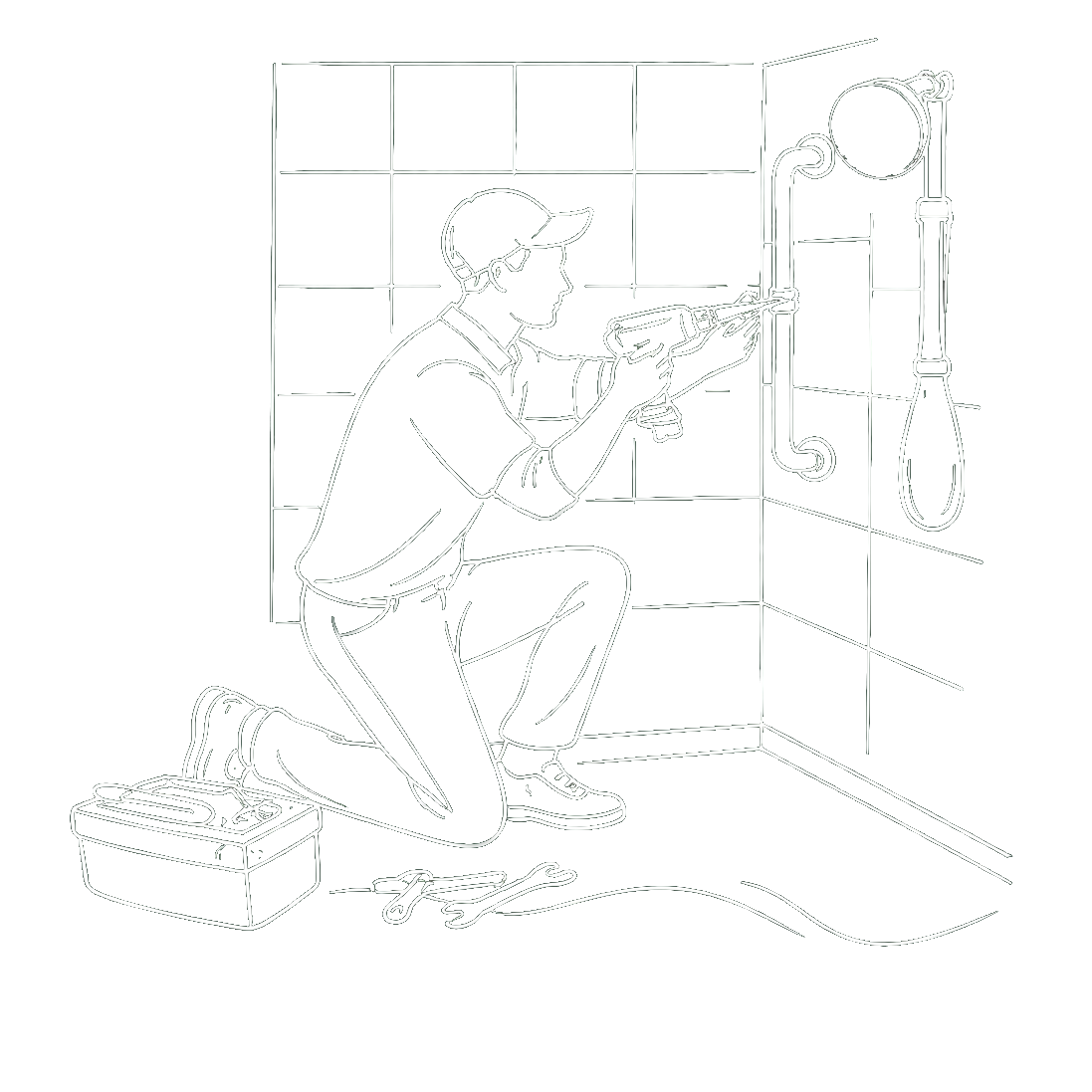
Home Modifications are a specific type of Capital Support designed to change the structure, layout or fittings of your home so you can access it safely and move around independently.

Unlike Assistive Technology (which is equipment you can pick up and move), Home Modifications are changes to the building itself. This can range from simple things like installing a grab rail in the shower to major construction work like removing walls, widening doorways or installing a lift.

This page explains what Home Modifications are intended to help with, what they look like in everyday life and how the funding usually works.

What is Home Modifications Support Under the NDIS?

Home Modifications sit within your Capital Supports budget and are intended to make your private home accessible and safe for you to live in.

In practical terms, this funds the construction work needed to adapt your living space. It is different from Assistive Technology (like a shower chair) because modifications usually become a permanent part of the house. The NDIS breaks these down into Minor (lower cost, non-structural) and Complex (higher cost, structural) categories.

Common examples of Home Modifications include:

  • Minor Modifications: Installing grab rails, hand-held shower heads, lever taps or simple threshold ramps at the front door.
  • Complex Modifications: Structurally changing a bathroom to make it a “wet room” (level access), widening hallways for a wheelchair, installing a platform lift or reinforcing ceilings for a hoist.

In your NDIS plan and the myplace portal, this appears under the Capital Supports budget as the support category Home Modifications (Category 06).

How It Works

Finding the right NDIS provider shouldn’t be overwhelming. We make it easier by connecting you with dependable, available support services that meet your needs. Our FREE service takes the hassle out of the search. Here’s how it works.
Step 1

Let’s Get Started

Share your support needs, goals, location, and preferences with your dedicated NDIS matching specialist. We’ll help you find the right providers to suit your unique situation.
Step 2

Get a Tailored Provider Options Report

Our team of trained local NDIS support specialists create a personalised report, showing only NDIS providers who are available and matched to your specific requirements, location, and the type of support you’re looking for.
Step 3

Let Us Help You Make the Most of Your NDIS Plan

Once we have sent a list of options, providers will then be in touch. We’ll also help you understand how the NDIS works, how to get the most value from your allocated budget, and how to maximise the care and support available to you. We can also assist you in comparing provider pricing and service options.

Who Benefits from Home Modification Supports?

This support is for you if your disability makes it difficult or unsafe to use standard parts of your home, like the bathroom, kitchen or entryways.

This support may be right for you if you:

  • Have difficulty stepping over a shower step or into a bath and need a level-access shower.
  • Use a wheelchair and cannot get through standard doorways or navigate tight corners in your hallway.
  • Cannot safely enter or exit your home because of stairs at the front or back door.
  • Need a safe environment where your support workers can assist you (e.g., space for a hoist in the bedroom).

Home Modifications are generally not for renovations that are just for aesthetic reasons or general maintenance (like fixing a leaking roof). The NDIS only funds the changes that are specifically related to your disability

What Home Modifications Supports Can Help With

These supports provide the physical environment you need to be independent at home. The focus is on removing physical barriers that stop you from doing everyday things.

Depending on your arrangement, Home Modifications can help you with:

  • Safe Bathing: Showering independently without fear of slipping or falling.
  • Entering Your Home: Getting in and out of your front door safely without needing someone to lift you or your wheelchair.
  • Moving Freely: moving from your bedroom to the kitchen without getting stuck in narrow doorways.
  • Cooking: using a modified kitchen with lower benchtops or accessible appliances so you can prepare your own meals.

Staying at Home: avoiding the need to move into residential care or a group home by making your current house suitable for your long-term needs

Common Questions About Home Modifications Support

Do I need to own my home?

Generally, yes, or you need written permission from the landlord. For private rentals, the NDIS is less likely to fund major structural changes because you might not live there long-term. However, they may fund moveable modifications or minor changes with the landlord’s consent. For social housing, the state government is often responsible for modifications, not the NDIS.​

Minor modifications are often approved quickly (sometimes automatically in your plan). Complex modifications can take months because the NDIS needs to review the OT report, the scope of works and the builder’s quotes to ensure value for money.

Yes, provided they are licensed, insured and have an ABN. For Complex modifications, the NDIS may require you to get quotes from specific types of builders to ensure they understand disability standards, but the choice is ultimately yours.​

The NDIS funds standard finishes. If you want expensive fittings and finishings, you can pay the difference yourself. The builder can invoice the NDIS for the standard cost and invoice you separately for the gap.​

No. The NDIS funds modifications to an existing home, or the extra costs of building a new home to be accessible (like wider doors). They do not pay for the standard cost of building a house (bricks, roof, land), as that is a cost everyone has to pay.​

For complex jobs, a standard OT might not be enough. The NDIS often requires a Complex Home Modification Assessor (CHMA) to design the modification. This ensures the design is legal, safe and technically feasible before a builder even quotes on it.